
Introduction
Modern-day industries produce more heat than before. This realization made effective thermal management an imperative for product reliability and performance.
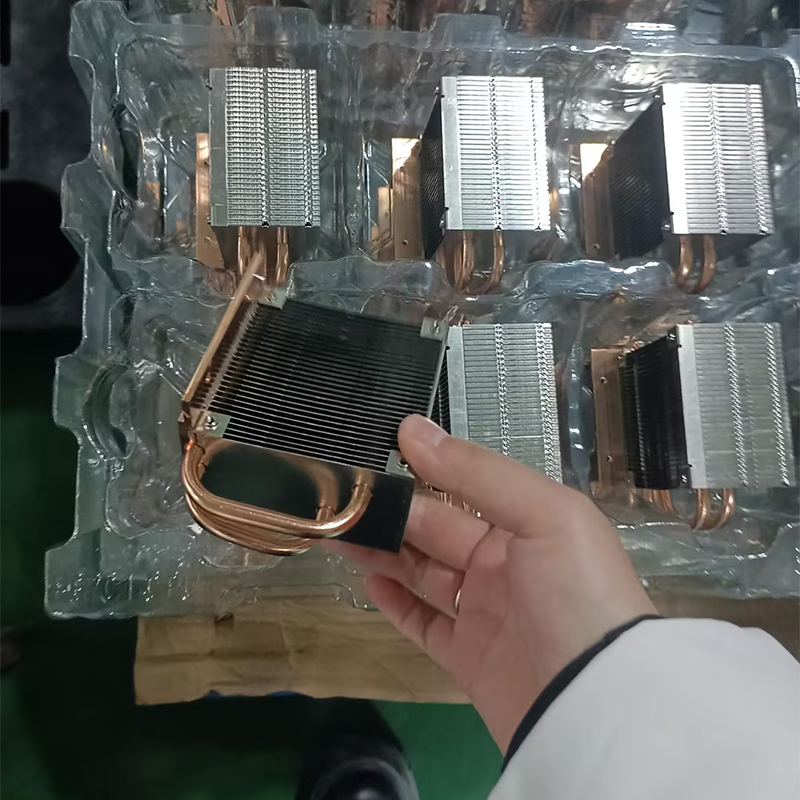
Heat Pipe Applications are one family of cooling technologies that stand apart today due to their ability to provide excellent heat transfer (passively, without external power). In addition, heat pipes provide compact designs, long service life and high thermal efficiency.
With the miniaturisation and increasing power of electronic devices, manufacturers are extending Heat Pipe Applications to many areas of Industry. As a result, the demand for advanced heat pipe manufacturing equipment is also rising.
Based in Nanjing, China, Nanjing Bangwin Machine provides comprehensive heat pipe manufacturing solutions for manufacturers around the world.
What Is a Heat Pipe?
Before browsing through several Heat Pipe Applications, it is better to know about what is actually a heat pipe?
A heat pipe is a two-phase sealed thermal transfer device.
It normally contains:
- Copper or aluminum tube
- Wick structure
- Working fluid
- Vacuum chamber
The working fluid evaporates at whichever end has heat.
Then vapor flows down toward the cool end.
Then condensation releases thermal energy.
But wait, the wick wicks back the liquid.
Therefore, the cycle repeats continuously.
This very uncomplicated process allows for super efficient heat transfer.
Ever wondered why heat pipe applications expand?
Numerous characteristics keep the business all that much acclamation warm pipes.
To begin with, processors are now getting more powerful every year.
Second, electronic devices become thinner.
Third, batteries in electric vehicles have greater heat generation.
At the same time, maintaining a predictable thermal control for renewable energy systems.
As a result, to increase product performance manufacturers are relying more and more on advance Heat Pipe Applications.
Besides, energy efficiency regulations stimulate businesses to use passive cooling technology.
This is why the global heat pipe market keeps growing.
How Heat Pipes Work
The principle of operation can give an insight view to the current Heat Pipe Applications.
There are five levels within the operating cycle.
Heat Absorption
The evaporator absorbs heat.
Evaporation
The working fluid becomes vapor.
Vapor Transport
Pressure differences move vapor rapidly.
Condensation
The condenser releases heat.
Liquid Return
The wick delivers liquid back through capillary action.
Heat pipes do not need any external pumps since this cycle repeats automatically.
Heat Pipes on a Chip: Science and Application of Heat Pipes in Consumer Electronics
Heat Pipe Applications are one of the largest markets in direction conventional consumer electronics.
Abstract: Today electronic devices generates a lot of heat.
As such, heat pipes have been incorporated into a variety of products by manufacturers.
Common examples include:
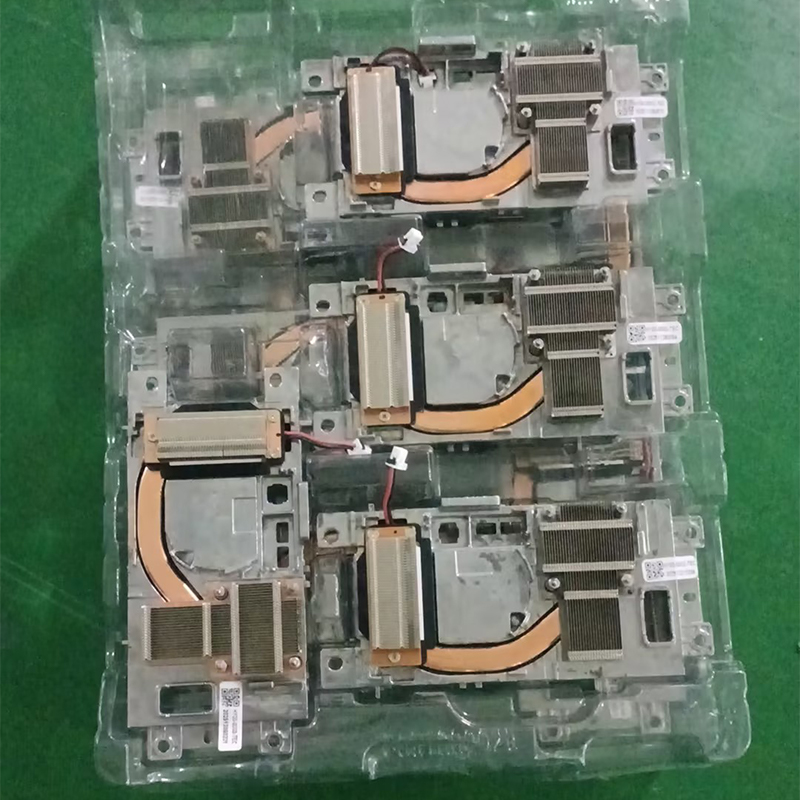
Laptop Computers
Gaming laptops are little factories for generating very high processor temperatures.
Heat pipes rapidly facilitate the movement of heat to cooling fins.
Consequently, processors maintain stable performance.
Desktop Computers
A higher-end CPU and GPU use multiple heat pipes.
This is how the cooling systems become more efficient.
Gaming Consoles
Gaming consoles run for hours on end.
What heat pipes do is to allow for safe operational temperature.
Smartphones
Miniature heat pipes become more common in top-end smartphones.
Additionally, there are devices that combine a vapor chamber with heat pipes.
LED Lighting
High-power LEDs produce considerable heat.
Principle of working heat pipes help in brightness and working life products.
Applications of Heat Pipe in AI Sorters and Data Centers
AI is powered by huge computational resource needs.
That is why AI servers are generating a lot of heat.
Over the years, Heat Pipe Applications have come to play an essential role in every modern data center.
Heat pipes cool:
- CPUs
- GPUs
- AI accelerators
- Memory modules
- Network processors
Furthermore, cooling is advanced which increases energy efficiency.
Consequently, operating costs decrease significantly.
Several server vendors now have devices that marry heat pipes to liquid cooling systems.
Heat Pipe Applications with Electric Vehicles
They also need sophisticated thermal management, Electric Vehicles
Battery temperature directly affects:
- Driving range
- Charging speed
- Battery lifespan
- Safety
Heat Pipe Applications are used throughout these EV systems by manufacturers.
Heat pipes cool:
Battery Packs
Uniform temperatures improve battery performance.
Power Electronics
Inverters generate substantial heat.
Charging Modules
Fast charging creates thermal challenges.
Electric Motors
Motor temperatures are stabilized by heat pipes.
The demand for heat pipe technology is growing in tone with an increasing use of EV production.
Heat Pipe Applications in Telecommunications
Modern communication networks operate continuously.
Therefore, reliable cooling remains essential.
Common Heat Pipe Applications include:
- 5G base stations
- Fiber optic equipment
- Communication servers
- Satellite communication systems
- Edge computing devices
Additionally, outdoor gear is subject to extreme conditions.
That is why passive cooling marks its importance.
Heat Pipe Applications in Aerospace
A lightweight cooling solution is needed for aircraft and spacecraft.
Heat pipes provide several advantages.
They offer:
- High reliability
- Low maintenance
- No moving parts
- Excellent thermal conductivity
As a result, heat pipes are employed in a range of aerospace applications by aerospace engineers.
Satellites
Electronic instruments require temperature control.
Aircraft Electronics
Avionics generate considerable heat.
Space Exploration
Passive thermal management is used a lot on spacecraft.
Heat Pipe Applications in Medical Devices
Stable operating temperatures are a must-have feature of medical equipment.
So, heat pipes are the common choice of many manufacturers.
Applications include:
- MRI systems
- CT scanners
- Ultrasound equipment
- Medical lasers
- Laboratory analyzers
Reliable cooling improves measurement accuracy.
Moreover, equipment lifespan increases.
Applications for Heat Pipes in Industrial Equipment
Industrial automation continues expanding worldwide.
As a result, more heat is produced by industrial equipment.
Common Heat Pipe Applications include:
Laser Equipment
Laser systems require efficient cooling.
Industrial Power Supplies
Power electronics produce continuous heat.
CNC Machines
Control systems need stable temperatures.
Automation Equipment
Better Cooling for Servo Controllers
Welding Equipment
Self-evidently this is similar to the process of warding off or protecting electronic components, here we can see a standard heat pipe.
Some Applications of Heat Pipe in Renewable Energy
Thermal management plays an important role in renewable energy systems.
As a result, heat pipe technology has gradually become the choice of manufacturers.
Applications include:
Solar Energy
Key words: Heat pipes; Solar collectors, Efficiency.
Wind Power
Power converters require cooling.
Energy Storage Systems
Temperature control is an advantage of battery storage.
Hydrogen Equipment
Cooling via efficient heat transfer is essential for power electronics.
Applications of heat pipe in the field of HVAC
Heat pipes are also good for heating and cooling equipment.
HVAC Heat Pipe applications that are very common include:
Air Conditioning
Heat recovery systems improve efficiency.
Fresh Air Systems
Heat pipes reduce energy consumption.
Industrial Ventilation
Thermal recovery lowers operating costs.
Commercial Buildings
Activity in the closed-loop system also reduces evaporation during indoor operation.
Thus, HVAC makers keep on embracing uninvolved warm innovations.
Selecting the Appropriate Heat Pipe for Your System
Several factors affect product selection.
Heat Load
Determine total thermal power.
Operating Temperature
Select suitable working fluids.
Installation Space
Measure available dimensions carefully.
Material Selection
Copper offers excellent thermal conductivity.
Orientation
This wick style may be useful for certain applications.
Environmental Conditions
Corrosion resistance may become important.
Therefore, engineering evaluation remains essential.
Heat Pipe Manufacturing Equipment
New applications for Heat Pipe drive demand for more advanced production equipment.
Modern production lines include:
- Heat Pipe Manufacturing Production Line
- Copper Tube Cutting Machine
- Sintering Furnace
- Vacuum Degassing Machine for Copper Heat Pipe
- Automatic Water Injection Machine
- Copper Tube End Closing Machine
- Automatic Welding Machine
- Tube End Forming Machine
- Tube Processing Machine
- Vapor Chamber Manufacturing Production Line
Using automation makes you more productive, and helps the manufacturing process be more consistent.
Why Choose Nanjing Bangwin Machine
Nanjing Bangwin Falls into the machine type of heat pipe machinery turn key lighting production line.
Visit:
Nanjing Bangwin Machine Official Website
Our solutions include:
- Heat Pipe Manufacturing Production Line
- Vapor Chamber Manufacturing Production Line
- Vacuum Degassing Machine For Copper Heat Pipe
- Automatic Water Injection Machine
- Copper Tube End Closing Machine
- Sintering Furnace
- Tube Processing Machine
Additionaly we offer bespoke automation solutions based on customer needs.
In addition, we have engineers that set up equipment install train and support your technical services.
This means that manufacturers effectively streamline all processes, find better ways to eliminate downtime, and produce higher quality products.
FAQ
1. What are the main heat pipe applications?
Heat pipes serve electronics, AI servers, electric vehicles, telecommunications, aerospace, HVAC systems, renewable energy, and industrial equipment.
2. Why do laptops use heat pipes?
Heat pipes transfer processor heat quickly to cooling fins. Therefore, laptops maintain lower operating temperatures.
3. Can heat pipes cool EV batteries?
Yes. Heat pipes help maintain uniform battery temperatures and improve safety.
4. Are heat pipes suitable for AI servers?
Yes. AI servers generate high heat loads, and heat pipes improve cooling efficiency.
5. Which industries use heat pipe technology most?
Consumer electronics, data centers, aerospace, telecommunications, automotive, and medical industries use heat pipes extensively.
6. What equipment produces heat pipes?
Manufacturers use cutting machines, sintering furnaces, vacuum degassing machines, water filling systems, end closing machines, and automated production lines.
7. Where can I find professional heat pipe manufacturing equipment?
You can explore complete solutions from Nanjing Bangwin Machine Official Website.
Best offers for industrial gas cylinders and its manufacturing products, visit:
Conclusion
The Heat Pipe Applications have been widely proliferating with the ever-increasing requirements by industries for Higher Cooling Effectiveness, Minimum Energy Usage and Higher Product Reliability. Heat pipes are critical components of modern thermal management in laptops, AI servers, electric vehicles, aerospace systems, renewable energy and HVAC equipment.
If you would like to make sophisticated high-end heat pipes or vapor chambers, then advanced manufacturing equipment is required. Nanjing Bangwin Machine serves manufacturers with an array of fully featured lines for heat pipe production, custom automation system design, and technical support to meet the challenges of superior productivity and product quality.
Nanjing Bangwin Machine official website for more details
History of Heat Pipe Technology
The idea of heat pipes may seem high tech, but they have been around for generations.
The nineteenth century saw the first exploration of heat transfer through evaporation and condensation.
The practical heat pipe technology was developed in the 1960s.
Shortly thereafter, aerospace engineers began utilizing heat pipes for thermal control on spacecraft.
As electronics shrank, manufacturers required improved cooling solutions.
As a result, the heat pipe started to proliferate into computer and telecommunications industries.
Currently, heat pipe technology benefits innumerable thermal management applications across the globe.
How Does a Heat Pipe Work?
What Is Heat Pipe technology and how does it work many people asks?
This is explained by phase-change heat transfer.
The structure of a heat pipe includes the following three main sections:
- Evaporator
- Adiabatic section
- Condenser
The process follows several steps.
Step 1: Heat Absorption
- First, the evaporator absorbs heat.
- Then the working fluid goes to vapor.
Step 2: Vapor Transportation
- The next stage the vapor passes through the empty tube.
- Vapor shoots out quickly, as pressure differences exist.
Step 3: Heat Release
- Afterward, vapor reaches the condenser.
- Then it releases thermal energy.
Step 4: Condensation
- Next, vapor converts into liquid.
Step 5: Liquid Return
- At the end, luminal structure brings back liquid.
Then the cycle repeats.
Therefore, the heat pipe is highly efficient in transporting very large quantities of heat.
The two main components of a heat pipe
This allows us to better answer the question: What Is Heat Pipe technology?
- Heat Pipe Shell
- The outer structure is the shell.
- Most manufacturers use copper, aluminum or stainless steel.
- Wick Structure
Via capillary action, the wick draws up liquid.
Common wick types include:
- Sintered powder
- Grooved wick
- Mesh wick
- Fiber wick
- Working Fluid
The fluid carries thermal energy.
Common fluids include:
- Water
- Ammonia
- Methanol
- Acetone
- Ethanol
- Vacuum Environment
- Manufacturers remove air before sealing.
- Consequently, the working fluid evaporates smoothly.
Types of Heat Pipes
Different applications require different designs.
- Standard Heat Pipe
This design covers the majority of electronics cooling applications.
- Loop Heat Pipe
This design allows for distant heat transfer.
- Pulsating Heat Pipe
This design employs flowing fluid oscillations.
- Vapor Chamber
A vapor chamber distributes heat over a flat area.
Several engineers compare [Heat Pipe vs Vapor Chamber] to choose the right cooling technology for their application.
- Flexible Heat Pipe
This design is made to Bend For A Smaller Installations.
- High-Temperature Heat Pipe
Going above and beyond, this model is made to perform in the toughest conditions.
Advantages of Heat Pipes
There are excellent advantages to heat pipes, and this is why many manufacturers select them.
- Extremely High Thermal Conductivity
Heat pipes transfer heat efficiently.
Therefore, system temperatures remain stable.
- No External Power
The heat transfer cycle happens naturally.
Consequently, operating costs stay low.
- Compact Structure
Heat pipes fit limited spaces.
Therefore, designers achieve greater flexibility.
- Long Service Life
Good heat pipes are years ahead.
Moreover, maintenance requirements remain minimal.
- Lightweight Design
Heat pipes add little weight.
For that reason, they are preferred by the aerospace and electronics industries.
- Environmental Benefits
For any situations, the cooling energy consumption is reduced by heat pipes.
Thus organisations make sustainability targets better.
Heat Pipe Materials
Material selection directly affects performance.
- Copper Heat Pipes
Copper offers excellent thermal conductivity.
Therefore, it dominates electronics cooling.
- Aluminum Heat Pipes
Aluminum provides lightweight performance.
Also, it reduces the whole weight of product.
- Stainless Steel Heat Pipes
Stainless steel resists corrosion effectively.
This is why you often need it in industrial environments.
- Titanium Heat Pipes
Titanium is known for its strength, corrosion resistance.
As a result, it is widely used for aerospace applications.
Heat Pipe Manufacturing Process
Mostly customers who are searching for What Is Heat Pipe also search for : Production Methods
No thanks to modern factories that follow an unyielding manufacturing process.
- Tube Cutting
Manufacturers prepare copper tubes.
- Wick Manufacturing
Next, factories create wick structures.
- Wick Insertion
Technicians then insert the wick inside.
Cleaning Process
Afterward, manufacturers remove contaminants.
- Vacuum Degassing
Next, vacuum systems remove gases.
- Water Filling
Then factories inject working fluid.
- End Sealing
Next, machines close tube ends.
Copper Tube End Closing Machine Internal
- Performance Testing
Finally, engineers verify thermal performance.
Since quality control is still of utmost importance, manufacturers monitor every step closely.
Heat Pipe vs Vapor Chamber
Many engineers compare these technologies.
- Heat Pipe Advantages
- Lower manufacturing cost
- Simple structure
- Easy installation
- High reliability
- Vapor Chamber Advantages
- Better heat spreading
- Larger cooling surface
- Higher power density support
Typically laptops and servers commonly will have both technologies in conjunction with each other.
Heat Pipe Applications
Heat pipes serve many industries.
- Consumer Electronics
Heat pipes are relied on heavily in laptops.
Additionally, gaming systems often need cooling.
- Data Centers
Based on that we know servers become hot,Generating heat.
Therefore, advanced cooling remains essential.
- Electric Vehicles
Battery systems require temperature control.
So, heat pipes enhance both safety and efficiency.
- Aerospace Industry
Thermal management for aircraft electronics has to be fail-safe.
- Renewable Energy
Heat pipes are often used in solar energy systems.
- Medical Equipment
Medical devices require stable temperatures.
- Telecommunications
Cooling systems are critical for the functioning of 5G infrastructure.
How to Select the Correct Heat Pipe
Heat pipe selection is dictated by several factors.
- Heat Load
Determine required heat transfer capacity.
- Installation Space
Measure available installation dimensions.
- Operating Temperature
Consider maximum and minimum temperatures.
- Orientation Requirements
Certain applications want you to mount them in specific places.
- Material Compatibility
Choose only the materials that are environmental friendly
- Cost Considerations
Balance performance and budget carefully.
Therefore, engineering evaluation remains important.
Future trends in heat pipe technology
Heat pipe technology continues evolving.
Firstly AI servers need more powerful cooling.
Second, electric vehicles produce higher thermal loads.
Third, semiconductor technologies continue advancing.
Therefore, manufacturers develop:
- Ultra-thin heat pipes
- High-capacity vapor chambers
- Flexible thermal systems
- Hybrid cooling solutions
Thus, demand for advanced manufacturing equipment remains on the rise.
Why Choose Nanjing Bangwin Machine
Nanjing Bangwin Machine specializes in heat pipe manufacturing equipment and thermal management production lines, new generation table type solder pressing machines.
Website: Nanjing Bangwin Machine
The company provides:
- Heat Pipe Manufacturing Production Line
- Vapor Chamber Manufacturing Production Line
- Sintering Furnace
- Automatic Water Injection Machine
- Copper Tube End Closing Machine
- Decapromotors Vacuum Degassing Machines for Copper Heat Pipes
- Tube Processing Machine
Purchases the company also backs tailored automation solutions.
In addition, engineers also provide instruction on how it will be installed and technical support.
Hence manufacturers have enhanced their productivity and quality of their products.
FAQ
- Define Heat Pipe in Layman Terms?
Heat pipes are passive devices that transport heat with great power by using the principal of running vapor and condensation.
- What is the reason heat pipes provide better thermal conductivity than a solid piece of metal?
Heat pipes use phase-change technology. Because of this, they transmit heat way quicker.
- What liquid is inside a heat pipe?
Manufacturers often use water, methanol, ethanol, acetone or ammonia.
- What industries use heat pipes?
Heat pipes find applications in electronics, aerospace, automotive, telecommunications and other industries, as well as renewable energy.
- Heat pipe versus vapor chamber: whats the difference?
Heat Pipes transfer heat in a linear fashion. Whereas, a vapor chamber disperses heat on a larger area.
- What is the time duration for a heat pipe to last?
In good condition, a quality heat pipe lasts for many years.
- What kind of heat pipe manufacturing equipment is available?
Then you can get to know about the business solutions from Nanjing Bangwin Machine.
- Are heat pipes environmentally friendly?
Yes. These practices help decrease cooling energy use and promote the overall efficiency of the system.
Recommended External Resource
Industrial cylinders &elements Manufacturing Products:
Conclusion
You have Questions about What Is Heat Pipe, and The Answer is Much More than a Cooling Component. A heat pipe integrates evaporation, condensation, and capillary action to provide remarkable thermal conduction capabilities.
Thus heat pipes are used by industries globally for heat management. On top of that, demand keeps rising as electronics, electric vehicles and AI systems advance.
Nanjing Bangwin is your one-stop shop for an ingenious thermal manufacturing technology including advanced heat pipe production equipment and complete manufacturing solution.