
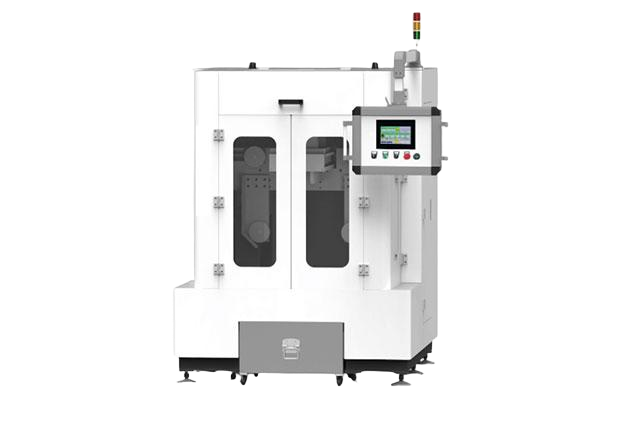
1. Introduction to Wafer Wire Saw Machines
Wafer Wire Saw Machine is used to cut semiconductor ingots or blocks into thin slices called wafers.
It uses a wire to cut the workpiece instead of using a solid blade. This will help the manufacturers waste less material when slicing.
Diamond wire is typically used in most wire saws today. Since diamond is abrasive it can cut through these hard and brittle materials.
There are many different types of material that can be cut with a Wafer Wire Saw. Some of which are silicon, silicon carbide, sapphire, quartz, ceramic and crystals.
Wire sawing is used in many semiconductor applications as well as solar.
When manufacturing silicon they may require very thin slices. So being able to control the thickness of your wafer is important.
Also the ability to control kerf loss, surface quality and total thickness variation is key.
With the right wafer wire saw machine you can achieve all of this.
Nanjing Top Wafer Precision Equipment Co., Ltd. offers Wafer Processing Equipment for these applications.
We also have Grinding & Polishing machines as well as Cleaning Machines.
2. How Does a Wafer Wire Saw Machine Work?
The wire saw cuts workpieces using a thin wire with an abrasive surface. The wire moves continuously or back and forth, slicing through the material like a saw blade. Learn how wire saw machines work.
Step 1: Load Workpiece
The operator loads the silicon ingot, SiC wafer blank, or other material into the work area.
Step 2: Set Workpiece Position
The control system precisely sets the position of the workpiece.
Step 3: Establish Wire Parameters
The machine detects and sets proper wire speed and tension for efficient cutting.
Step 4: Begin Cutting
The wire travels horizontally across the material surface.
Diamond abrasives gradually remove small amounts of material during contact.
Feed movement then pushes the workpiece through the moving wire.
The wire saw cuts the material along a controlled path with each pass.
Multi-wire machines can produce several slices simultaneously with enough parallel wire sections.
Consequently, manufacturers can greatly improve production throughput with wire saw slicing.
Important variables that the machine controls include wire speed, wire tension, feed rate, applied cutting pressure, and cooling conditions.
3. Parts of a Wire Saw Cutting Machine
Some common parts and systems of a wire saw cutting machine include:
Wire Guide System
Wire guide systems precisely position and guide the wire through the cutting area.
Wire Tension System
Wire tension systems maintain correct wire tension for precise cutting.
Drive System
Wire drive systems move the wire at the required speed for cutting. Some modern wire saw machines use servo-driven wire motors.
Workpiece Feed Mechanism
Workpiece feed systems consistently push or pull the wafer blank into the cutting zone.
Cutting Fluid System
Fluid assists with cooling and waste material removal during cutting.
PLC and Saw Cutting Machine Control System
The programmable logic controller (PLC) and associated software implement machine automation and process control features.
Process operators can adjust processing parameters on most machines through an HMI.
Operators also rely on the control system to ensure process repeatability between production batches.
4. Wafer Wire Saw Machine Cutting Process
Below are the basic steps of the wire saw cutting process:
Step 1. Prepare Workpiece for Cutting
Prepare the silicon ingot, SiC crystal, quartz crystal, ceramic ingot, or other material for cutting. Double-check that the workpiece dimensions match the process specifications.
Step 2: Load the Workpiece
Secure the workpiece onto the machine fixture. Make sure the cutting direction aligns with the fixture orientation.
Step 3: Prepare Saw Wire for Cutting
Ensure the wire runs along the correct cutting path across the workpiece.
Operators should also measure wire diameter and tension.
Step 4: Enter Process Parameters
Program the processing parameters into the machine control system. The required settings depend on the material hardness and thickness, wafer thickness, and other factors.
Step 5: Start Cutting Process
Once prepared, start the wire drive system. This action begins wire movement at the set speed.
At the same time, the feed mechanism gradually moves the workpiece into contact with the cutting wire.
Diamond particles on the wire contact the workpiece and remove thin slices of material.
Step 6: Cool Cutting Zone and Remove Debris
The machine pumps cutting fluid into the cutting zone to reduce heat and remove debris.
Step 7: Remove Completed Wafers
Unload or otherwise remove the cut wafers from the machine. Operators can then process them through grinding, polishing, cleaning, and final machining steps.
5. Diamond Wire Technology for Wire Saw Machines
Diamond wire technology helped make wire saw cutting a practical method for slicing semiconductor wafers. Using diamond wire for wire saw machines involves:
Diamond Wire
Diamond wire uses tiny diamond particles along its working surface. Because diamond is one of the hardest materials, it can effectively cut through many brittle materials.
Application Materials
Diamond wire cutting works well with silicon wafers and other advanced semiconductor and industrial materials.
Diamond wire technology also allows manufacturers to cut SiC and sapphire wafers and many other types of advanced crystals.
Kerf Reduction
Cutting processes always remove some of the material to create the cut. The width of this removed material equates to the kerf.
By using a thinner wire, manufacturers reduce kerf loss during saw cutting. In some cases, this can lead to more saleable wafers from each expensive raw material piece.
That said, using thin wire brings additional challenges that manufacturers need to address.
For example, proper wire tension becomes more important when using very thin wire. Similarly, the saw machine needs to coordinate wire speed and feed rate more precisely.
6. Multi- Wire Saw vs Single Wire Saw
Multi wire saw uses multiple parallel wires to slice wafers at the same time. Single wire saw systems primarily use one wire path to cut wafers.
Here is a closer look at multi-wire saw versus single-wire saw considerations.
Single Wire Saw
Single wire wire saw equipment can cut wafers for specialized production, sample preparation, or research. Operators can also use single wire machines for more flexible production applications.
Operators can adjust process parameters to suit different materials and products as needed.
Single wire equipment may also require less setup time than larger multi-wire machines. Therefore, it may work well for low-volume production.
Multi Wire Saw
Multi wire wire saw systems slice many wafers during one production cycle. Manufacturers can dramatically increase throughput with this technology in wafer manufacturing applications.
Additionally, many semiconductor wafer production applications require consistent wafer thickness. Multi-wire slicing can facilitate this consistency with controlled wire spacing and machine motion.
Production volume and cutting targets should guide manufacturers when choosing between single wire and multi-wire saw equipment.
7. Wafer Wire Saw Machine for Silicon Wafers
Semiconductor grade silicon wafers provide material for many electronic devices. Silicon wafer wire saw machines can cut uniform wafers from larger silicon ingots. Here are some things to consider about wire saw machines for silicon wafers:
In addition to meeting dimensional requirements, the wafer wire saw machine should produce tight process tolerances.
Specific requirements include thickness, TTV, surface roughness, bow, warp, and more.
After the wire saw slices silicon wafers from a silicon ingot, manufacturers typically process them through grinding, polishing, cleaning, and more.
The wire sawing process represents only one step in the overall wafer production process. Manufacturers should ensure new equipment matches their existing infrastructure for maximum efficiency.
Nanjing Top Wafer manufactures wire saw machines for silicon wafer applications. Our wire saw machines can cut silicon rods for both 8-inch and 12-inch wafer applications. Furthermore, certain models work with workpieces measuring up to 450 mm in length.
8. Wire Saw Machines for SiC Wafers
Power electronics have found many uses for SiC wafers. However, the hardness and brittleness of silicon carbide make processing challenging.
The diamond wire saw method provides a practical way to slice SiC wafers. A wire saw machine precisely controls wire movement, tension, and feed rate.
Furthermore, manufacturers can improve material utilization by reducing unnecessary loss of the SiC crystal.
Cutting quality also matters. Not only does excessive subsurface damage create more work for the grinding and polishing processes. It also may render a wafer unsaleable.
9. Wire Saw Machines for Sapphire
Sapphire also presents similar hardness and brittleness challenges during material processing.
However, manufacturers use it in many optical, electronic, LED, and industrial applications. Therefore, the need for precision slicing becomes essential.
Diamond wire offers a potential solution to improve material removal rates during the cutting process. However, the process requires precise wire speed and feed rate conditions to work properly.
Operators should pay attention to cooling and debris removal. These factors also affect cutting quality and stability. A high-quality machine ensures smooth and stable motion throughout the cutting process.
By taking an effort to control cutting conditions, manufacturers can put sliced wafers into better condition for downstream processing. Learn more about our sapphire wire saw machines.
10. Important Wire Saw Machine Cutting Parameters
Choosing the right wafer wire saw machine depends on understanding several key technical specifications. Some of the most important wire saw machine technical parameters include:
Wire Diameter: Operators should pay attention to wire diameter. Using a thinner wire can reduce kerf. However, it also requires closer attention to wire tension.
Wire Speed: Operators can often increase material removal rates by raising wire speed. However, going too fast can introduce chatter and reduce process stability. Therefore, each material may require a unique cutting speed.
Wire Tension: Fluctuations in wire tension can lead to imperfect cuts. Therefore, the cutting machine should maintain wire tension within set parameters.
Feed Rate: Likewise, feed rate refers to how quickly the machine moves material into the cutting zone. Aggressive feed rates may increase cutting forces and related issues. However, too slow of a feed rate wastes time. Therefore, manufacturers must find a balance.
Total Thickness Variation: Also known as TTV, total thickness variation quantifies how much variation exists across the wafer thickness. Producers of semiconductor wafers typically require low TTV.
Surface Roughness: Although wire cutting leaves its own surface finish on wafers, operators typically must grind and polish semiconductor wafers to reach their final surface condition. Therefore, lower roughness values can help reduce workload and processing time.
Kerf Loss: As mentioned above, kerf loss becomes a crucial consideration when working with expensive gemstones and industrial crystals.
11. Advantages of Wire Saw Machines
Wire saw machines offer manufacturers several benefits for cutting silicon and other semiconductor wafers. Advantages of wire saw technology include:
Thin wires allow for thinner kerf than traditional blade-based cutting. This technology allows manufacturers to reduce waste.
Multi-wire slicing can greatly improve production efficiency when making large quantities of wafers.
As mentioned previously, diamond wire allows manufacturers to cut hard and brittle materials.
Thanks to modern servo-based systems, wire saw machines can achieve much more precise motion control. Therefore, operators can rely on stable and repeatable wire tension.
Furthermore, many wire saw machines feature automated tension management systems. This technology helps ensure consistent cutting pressure as the wire wears over time.
Finally, manufacturers can adjust processing parameters to cut different materials on the same machine. As a result, one machine can serve multiple industrial processes.
Wire saw machines come in many different configurations. Manufacturers can choose a suitable machine size and production capacity to fit their needs.
Small-scale wire saw systems exist for specialized production. Manufacturers also produce large-scale wire saw systems for industrial volume production.
As a result, wire saw technology works for many different production applications.
12. Wafer Wire Saw Machine Applications
Businesses can use wafer wire saw machines for several industries and applications. One of the primary uses for wire saw machines involves semiconductor wafer manufacturing.
However, many of the same principles apply to other material processing applications.
Common uses for wafer wire saw machines include:
- Monocrystalline silicon wafer slicing
- Polycrystalline silicon wafer cutting
- SiC wafer slicing
- Sapphire wafer cutting
- Quartz wafer cutting
- Ceramic cutting
- Crystal cutting
- Photovoltaic wafer production
- Piezoelectric material cutting
- Optical material processing
- Advanced material R&D
Material type and production requirements should guide the final machine configuration. For instance, silicon and SiC require very different process parameters for optimal results.
Likewise, sapphire usually requires an entirely different cutting approach.
13. How to Choose the Right Wafer Wire Saw Machine
Before buying a wire saw machine, manufacturers should consider their overall production requirements. First, they should identify the material they want to cut. Silicon, SiC, sapphire, and ceramics require different cutting approaches.
Next, consider the size of the material you will cut. The machine must have enough travel and a large enough fixture to hold the largest ingot you intend to cut.
Additionally, determine what wafer thickness your process requires. High precision applications such as semiconductor wafer production often demand much tighter process control.
Also consider how many wafers you want to produce. While multi-wire machines offer many advantages for high-volume wafer slicing, single-wire equipment offers greater flexibility for certain production applications.
Also evaluate factors such as:
- Maximum size of workpiece
- Range of available wire diameters
- Maximum wire speed
- Range of wire tension settings
- Maximum feed speeds
- Positioning accuracy
- Level of automation
- Cutting fluid system
- Filtration system
- Machine rigidity
- Control system features
- Maintenance requirements
- Availability of technical support
- Equipment customization options
Finally, consider how the cutting machines integrates with other processes. Grinding, polishing, cleaning, and inspection also come after wire saw slicing.
14. Wafer Wire Saw Machine Production Line Integration
Wafer slicing typically represents only one step in a larger production process.
For silicon wafer production, the process may include:
- Crystal preparation
- Wire slicing
- Grinding
- Polishing
- Cleaning
- Inspection
Compatibility between equipment plays a role in maximizing efficiency. Excessive surface damage from wire cutting can increase the workload for the grinding process. Similarly, inconsistent thickness can create challenges during lapping and polishing.
As a result, manufacturers should look for opportunities to optimize the entire process. Nanjing Top Wafer designs and manufactures equipment for multiple stages of wafer processing.
In addition to wire sawing equipment, we also manufacture:
- Grinding machines
- Polishing machines
- Cleaning machines
- Complete wafer manufacturing solutions
Customers can create fully integrated processing solutions based on their specific material and production needs.
15. Maintenance and Process Optimization for Wire Saw Machines
Preventative maintenance can help ensure a stable cutting process. First, routine inspections should include the wire guide path. Wear and other issues to wire guides can influence wire movement and accuracy.
Technicians should also inspect the tensioning system for any obvious issues. Improper tension can negatively impact cut quality. In some cases, it could even lead to wire breakage.
Operators should maintain the machine’s cooling system as well. Cutting generates heat, and debris. If the cutting fluid becomes too dirty, it can impact process stability. As a result, the filtration system requires regular maintenance.
Do not forget to lubricate the machine. All moving components require appropriate lubrication as specified by the manufacturer.
Furthermore, keep an eye on cutting data during regular production. Sudden changes can indicate wire wear, problems with guides, or inappropriate process parameters.
Therefore, regular maintenance can help prevent unexpected downtime.
16. Why Choose Nanjing Top Wafer?
Nanjing Top Wafer specializes in manufacturing semiconductor wafer processing equipment. The company offers wire saw machines as individual units and complete production lines.
Nanjing Top Wafer manufactures wire saw machines and other equipment for multiple wafer-processing stages. This includes wire cutting machines, grinding machines, polishing machines, cleaning machines, and complete wafer manufacturing systems.
Nanjing Top Wafer’s wire saw machines support wire cutting of silicon, SiC, sapphire, crystals, and ceramics. In addition, customization remains an option for customers looking to develop new production lines.
After all, every customer will have different needs. Wafer sizes, materials, automation level, and production volumes all vary from one business to the next.
That is why Nanjing Top Wafer can customize equipment to match your processing needs. Visit Nanjing Top Wafer for more information on our wire saw machines and related equipment.
Home
17. FAQ
l What materials can you cut with a wire saw machine?
Operators can use wire saw machines to cut silicon, SiC, sapphire, quartz, ceramics, crystals, and more.
l How thick of a wire does the wire saw machine use?
Different machines use different wire sizes. Consult the machine manual to determine what size wire your machine uses.
l Can you cut silicon carbide with a wire saw?
Yes, you can cut SiC with a wire saw machine. Nanjing Top Wafer has diamond wire saw machines for cutting SiC crystals.
l Can diamond wire cut through aluminum?
Diamond wire can cut through aluminum. However, there are more cost-effective ways to cut aluminum.
l Can diamond wire saw machines cut glass?
Yes. Diamond wire saw machines can cut glass as well.
18. Conclusion
Wire saw machines allow manufacturers to cut semiconductor ingots into thin wafers. The moving wire acts like a flexible blade, slicing through material with reduced waste.
Diamond wire allows manufacturers to cut silicon as well as advanced materials like SiC, sapphire, ceramics, and crystals.
Furthermore, manufacturers can use multi-wire machines to produce many wafers during each production cycle.
Therefore, these systems are ideal for industrial-scale wafer production.
However, cutting speed is only one factor that determines overall machine performance. Parameters such as TTV, kerf loss, surface condition, wire tension, and overall process stability also matter.
Additionally, think about how the cutting process will affect downstream processes. Creating better cutting conditions can make grinding, polishing, and cleaning much easier.
At Nanjing Top Wafer, we offer wire saw machines for semiconductor wafer manufacturing. However, we also supply related equipment for grinding, polishing, and cleaning.
Therefore, you can build a complete wafer processing solution around your material and production goals.